The financial ecosystem in East Africa is undergoing a profound structural shift. Kenya is widely regarded as one of East Africa’s leading retail investment markets, driven by widespread mobile money adoption and a rapidly growing fintech sector.
Historically, participating in financial markets required significant capital and access to traditional brokerage services. Today, digital platforms allow Kenyan investors to trade global and local markets directly from their smartphones.
However, capital security requires a clear understanding of market dynamics, technology, and local regulation. This guide details Kenya’s core market opportunities, platform features, safety mechanisms, and risk strategies.
1. Drivers of Kenya’s Digital Investment Boom
Several converging elements have fueled the rapid adoption of online trading across the country over the last half-decade.
Infrastructure and Mobile Connectivity
The foundation of Kenya’s digital trading boom lies in its robust telecommunications infrastructure. The widespread deployment of affordable 4G and 5G networks, paired with budget-friendly smartphones, has eliminated geographic barriers to entry.
The Mobile Money Advantage
International platforms often struggle with onboarding friction due to complex wire transfers or restrictive credit card clearing cycles. Kenya bypasses this via native M-Pesa integrations. The ability to instantly pull funds from a mobile wallet to cover a margin requirement or rapidly withdraw profits in cash via local agents provides faster and more convenient transactions.
Evolution of User-Centric Software
Financial service providers have moved away from dense, text-heavy desktop systems toward clean, intuitive apps. Modern trading apps offer intuitive interfaces, real-time market data, and built-in risk management tools that make trading more accessible.
2. Diverse Investment Options in the Digital Space
The current digital space offers Kenyan traders an extensive multi-asset landscape, enabling robust portfolio diversification.
The Nairobi Securities Exchange (NSE)
For investors focused on long-term wealth creation and domestic corporate growth, the NSE provides electronic routing for trading local equities and government or corporate bonds. Digital brokerages allow users to buy fractional or full shares of blue-chip Kenyan enterprises, capturing dividend yields and long-term capital appreciation while supporting the local macroeconomic framework.
Global Contract for Difference (CFD) and Forex Trading
Kenya has emerged as East Africa’s leading destination for foreign exchange speculation. Through multi-asset brokerages, traders buy and sell currency cross-rates, tracking the daily price movements of major pairs like the $EUR/USD$ or $GBP/USD$.
Furthermore, CFDs allow individuals to speculate on price movements across global asset classes without owning the underlying asset. Understanding these markets is vital; interested individuals can explore how to trade forex to build a solid foundation in market mechanics.
Alternative Digital Assets
Alternative asset categories, including decentralized cryptocurrencies, have attracted massive inflows due to their high volatility and potential for outsized returns. While digital assets introduce unique risk profiles, they are increasingly used by younger demographics as speculative portfolio sleeves to complement traditional equity setups.
3. Regulatory Oversight: The CMA and CBK Framework
As market volumes scaled, Kenyan authorities took decisive regulatory action to safeguard public assets and formalize the industry.
The 2017 Online Foreign Exchange Trading Regulations
The Capital Markets Authority (CMA) oversees the nation’s capital markets, establishing a formal local licensing structure under the landmark 2017 regulatory framework. To secure a local CMA license, brokers must comply with demanding operational guidelines:
- Minimum Capital Requirements: Brokers must maintain a cash reserve of at least KES 50 million to ensure structural solvency during periods of intense market stress.
- Segregated Client Accounts: Retail investor deposits cannot be mixed with the broker’s operational cash. Funds must be safely held within independent, tier-1 banking institutions.
- Leverage Caps: To protect retail accounts from sudden, devastating losses, the CMA caps up to 1:400 on eligible major forex pairs, subject to CMA rules and broker policies.
Local licensing offers distinct advantages, particularly regarding legal recourse. If an administrative dispute arises, clients can file grievances directly through the CMA’s dedicated consumer protection and dispute resolution systems. Furthermore, covered participants gain protection from the Investor Compensation Fund.
The Role of the Central Bank of Kenya (CBK)
The CBK coordinates closely with the CMA to manage cross-border capital distributions and ensure strict compliance with international Anti-Money Laundering (AML) and Counter-Terrorist Financing (CTF) protocols.
4. Platform Usability and Advanced Order Types
A trading platform serves as an investor’s direct portal to global order books. Evaluating technical features and interface layout is a critical step when selecting a service provider.
Core Architecture and Software Delivery
Top brokers provide a unified technical experience across three primary execution mediums:
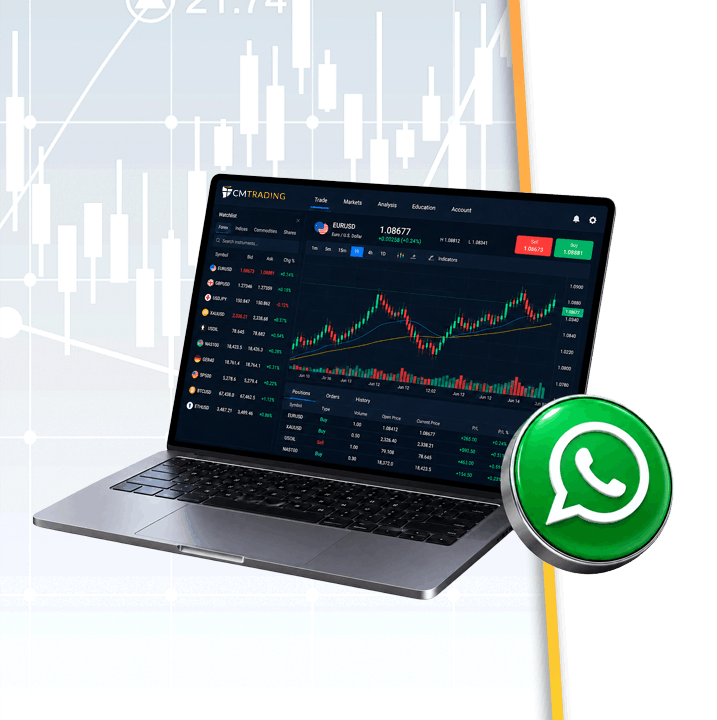
- Custom Web Dashboards: No download required, modern web interfaces offer high-performance charting, real-time pricing feeds, and integrated market news.
- Native Mobile Apps: Tailored for iOS and Android, these apps focus on scannable watchlists, biometric login safety, and fast order routing on mobile connections.
- Standalone Desktop Applications: Built for active, high-volume participants and standalone programs.
Order Management Mechanics
Advanced trading platforms stand out by offering precise, rule-based execution tools. Relying entirely on raw “Market Orders” exposes traders to slippage during volatile periods. Successful execution strategies lean on specific order parameters:
- Limit Orders: Restrict execution to a pre-defined target price or better, ensuring strict entry control.
- Stop-Loss Orders: Automatically close an active trade at a specific price point if the market moves against the position, limiting downside risk.
- Trailing Stops: A dynamic risk management tool where the exit trigger adjusts along with a profitable trade, locking in gains while protecting against sudden trend reversals.
5. Analyzing Broker Choices: Top Global and Local Platforms
Kenyan investors frequently weigh local CMA-regulated brokers against major, globally licensed institutions. The table below outlines how premier platforms rank across key service categories, based on data from mid-2026.
| Broker Selection | Mobile App Score (1-5) | Web Platform Score (1-5) | Desktop Engine Score (1-5) | Primary Analytical Research Focus | Base US Stock Commission | Typical EUR/USD Spread |
| Interactive Brokers | 4.3 | 4.7 | 5.0 | Advanced Fundamental & Direct Market Institutional Data | Variable (depends on pricing plan and market) | 0.2 pips |
| IG | 5.0 | 5.0 | 4.3 | Premier DailyFX News Streaming & Technical Signals | $10.00 | 0.69 pips |
| Capital.com | 5.0 | 4.8 | — | Integrated Behavior Analytics & TradingView Charting | Free | 0.6 pips |
| Forex.com | 4.5 | 4.4 | 4.4 | Multi-Level Learning Portals & Interactive Quizzes | Variable | 1.4 pips |
| Vantage | 4.3 | 4.3 | 4.3 | Heavy MetaTrader Optimization & Raw ECN Feeds | Free | From 0.0 pips (Raw ECN accounts) |
Evaluating International vs. Local Options
While massive global brands like Interactive Brokers or IG offer top-tier global access and tight spreads, they lack local CMA licenses. Consequently, Kenyan clients are typically onboarded through international branches regulated by overseas bodies like the UK’s FCA or Australia’s ASIC.
Conversely, choosing a locally licensed platform ensures absolute alignment with Kenyan financial regulations, native M-Pesa channels, and local customer service teams. Investors seeking an optimized, secure trading framework tailored to regional realities can gain deeper context by exploring CMTrading to see how modern brokerages balance regulatory standards with advanced platform features.
6. The Critical Role of Financial Education
Because online trading involves significant financial risk, comprehensive market education is essential for long-term survival.
Overcoming the Speculative Learning Curve
A primary challenge facing new retail traders is the misconception that trading is a shortcut to quick profits. Without a solid understanding of macroeconomics, margin calculations, and chart patterns, market participants face severe risk.
Maximizing Risk-Free Practice Accounts
Every reputable platform provides a virtual practice account loaded with simulated capital. These demo environments mirror live market feeds precisely, allowing users to:
- Test platform mechanics and refine hotkey layouts without risking real capital.
- Practice calculating position sizing relative to account equity.
- Backtest trading strategies across varying market conditions.
7. Managing Cybersecurity and Systemic Risks
As digital transaction volumes scale, protecting your personal data and capital from online security threats requires continuous vigilance.
Common Online Security Threats
- Phishing Scams: Fraudulent emails and clone sites designed to look like your broker’s official login page to steal your credentials.
- Unlicensed Brokerage Schemes: High-pressure sales tactics from offshore entities promising guaranteed returns. Always verify an institution’s credentials on the official CMA registry before depositing funds.
- Account Takeover Vulnerabilities: Attackers exploit weak, recycled passwords to gain unauthorized access to client funds.
Implementing Proactive Defenses
To insulate your capital from digital intrusion, adhere to strict cybersecurity best practices:
Activate Multi-Factor Authentication (2FA): Never rely solely on a password. Require a time-sensitive verification code sent via an authenticator app (such as Google Authenticator) for all login and withdrawal attempts.
- Enable Biometric Verification: Protect your mobile applications by requiring facial or fingerprint recognition for device access.
- Use Official Distribution Channels: Download software exclusively through verified portals like the iOS App Store or Google Play Store. Avoid third-party direct downloads or unverified installation links.
8. Impact on Kenya’s Domestic Economy and the 2030 Outlook
The growth of online trading serves as a significant catalyst for broader macroeconomic expansion and financial inclusion across Kenya.
Online trading supports financial inclusion, improves access to investment opportunities, and contributes to the growth of Kenya’s digital economy. The growth of the sector has also sparked significant employment opportunities across related industries, creating jobs in software development, cybersecurity, financial analysis, compliance, and localized digital marketing.
As Kenya advances toward its Vision 2030 milestones, the continuous integration of decentralized ledger networks, artificial intelligence analytics, and progressive regulatory oversight will make the domestic financial landscape highly competitive on the global stage.
Conclusion
Online trading in Kenya provides an accessible way for wealth creation, portfolio diversification, and financial self-determination. While structural volatility, cyber threats, and fraudulent offshore operations remain real challenges, they can be effectively mitigated.
By prioritizing locally licensed or globally regulated brokers, utilizing risk-managed order configurations, committing to continuous market education, and applying robust cybersecurity protocols, investors can safely navigate global markets.