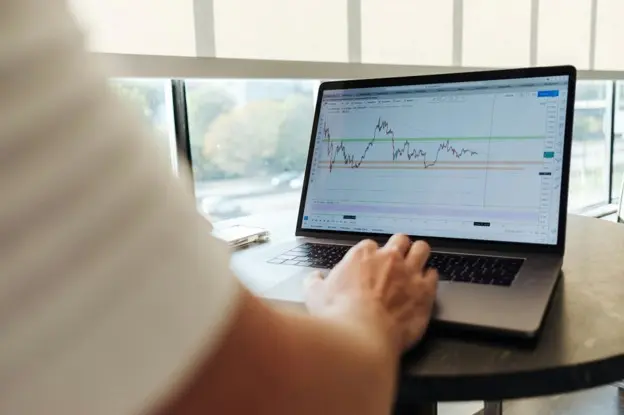
Have you ever wanted to trade stocks, forex, or cryptocurrencies but were afraid of losing money? It is quite common for beginners to put off getting started until they feel more comfortable with their skills. However, all professional traders were beginners too and wished they had a safer way to practice before putting their money at risk. Demo trading accounts serve precisely this purpose.
In 2026, demo accounts have become more realistic and widely accessible than ever before. Regardless of what type of trading you want to pursue, whether it be forex, stocks, commodities, or cryptocurrencies, most brokers offer a demo account to help you become familiar with the basic principles of trading. In this article, we will discuss what a demo trading account is, how it works, why it is essential for beginners, and how to use it effectively.
What Is a Demo Trading Account?
A demo trading account, also known as a paper trading account or trading simulator, is a virtual trading environment provided by brokers and trading platforms. It allows traders to buy and sell financial instruments using virtual money while receiving real-time market data.
Think of it as a flight simulator for pilots. It behaves like the real thing, but mistakes have no real consequences. Likewise, a demo trading account lets you place trades, make virtual profits, and experience virtual losses without risking real money.
Demo accounts first appeared in the early 2000s as online trading platforms became more common and internet speeds improved. Since then, they have evolved significantly. Today’s demo platforms offer realistic trading environments with real-time quotes, multiple order types, charting tools, leverage settings, and performance analytics.
However, before signing up for any trading account, it’s worth spending some time learning the basics. A comprehensive Beginner’s Trading Checklist can help you understand essential trading terms, platform features, and risk management before you begin using a demo account.
How Does a Demo Trading Account Work?
Once you sign up for a demo account, which is usually free and only takes a few minutes, you’ll receive a balance of virtual funds, typically between $10,000 and $100,000, depending on the broker and your preferences. You can then use these funds to place trades just as you would with a live account.
Your trades are executed using real market prices, but no actual transactions take place. Instead, your profits and losses are recorded virtually, allowing you to practice in realistic market conditions without financial risk.
Most modern demo trading platforms offer the same range of instruments as their live versions, including forex currency pairs, stocks, ETFs, indices, commodities such as gold and oil, and often cryptocurrencies. This makes demo accounts useful not only for beginners learning the basics but also for experienced traders testing new markets or strategies.
Why Beginners Should Use a Demo Trading Account
1. No Financial Losses When Learning
The biggest advantage of a demo account is that you can learn without risking real money. Most beginners make their biggest mistakes during the early stages of trading, and research consistently shows that many new retail traders lose money in their first year. A demo account allows you to make common mistakes, such as poor timing, misreading charts, or misusing leverage, without suffering financial losses.
2. Real Market Conditions, No Risks
Some people believe demo trading doesn’t reflect real markets, but that’s a misconception. Quality demo accounts use live market data. If EUR/USD moves 30 pips following a Federal Reserve announcement, you’ll see the same movement in your demo account. This allows you to learn from real market conditions instead of relying on theory.
3. Familiarizing With The Platform
Each trading platform, be it MetaTrader 5, TradingView, thinkorswim, or something else, has its layout, tools, and peculiarities. Struggling with the platform during a trading session with real money at stake is an expensive way to get acquainted with it. A demo account allows you to become familiar with the platform interface at leisure: place limit orders, set stop losses, analyze Level II data, use charting tools, and manage your orders without risking any money.
4. Testing Strategies Without Risk
Whether you’re using a moving average crossover, a head-and-shoulders breakout, or a news-based strategy, a demo account is the ideal place to test it. You can evaluate your strategy across different market conditions, timeframes, and assets while tracking statistics such as win rate, average return, and maximum drawdown, all without risking real money.
This is especially valuable in 2026, as algorithmic and systematic trading tools have become more accessible to retail traders via platforms such as TradingView Pine Script and MT5 Expert Advisors.
5. Establishing a Disciplined Routine
A successful trader is not only one who makes correct entries, but he is disciplined, patient, and consistent. You can form the necessary routine using a demo account. By taking your virtual funds seriously, setting daily loss limits, following your entry rules, and keeping a trading journal, you can develop the discipline needed for live trading.
Difference Between Demo and Live Trading: What to Know
Demo accounts are indeed extremely valuable, but we need to be aware of the aspects that they do not reproduce.
Emotions Are Different
The biggest difference is emotion. Losing $500 in a demo account doesn’t feel the same as losing $500 of your own money. Fear, greed, and the pressure of risking real capital affect decision-making in ways that no simulator can reproduce. Many traders perform well in demo trading but struggle when they transition to live markets because of this emotional shift.
Order Execution May Differ
In a demo account, trades are usually executed at the displayed price. In live trading, however, slippage, the difference between the expected price and the actual execution price, can occur, especially in fast-moving or less liquid markets. Although execution technology has improved significantly, this remains an important difference, particularly for active traders.
The Psychology of Money Matters
Most brokers allow you to choose your demo account balance, and many beginners select an unrealistically high amount. Trading with $100,000 in virtual funds when you plan to start with only $5,000 can create unrealistic expectations about position sizing, risk management, and the emotional impact of trading with real money. Setting your demo balance to match your intended starting capital provides a more realistic experience.
Margin Calls and Real Consequences
Most demo accounts don’t replicate margin calls and other real-world trading consequences exactly. As a result, beginners may not fully understand how leveraged positions behave when markets move against them.
These differences shouldn’t discourage you from using a demo account. Understanding these differences helps you get more out of your demo account. To learn more about the transition, read our article on moving from demo to live trading.
How to Get the Most Out of Your Demo Account
To get the most out of demo trading, treat it as serious practice rather than a game. Here’s how:
Start with a realistic initial capital. Set it equivalent to the actual amount you are going to start trading with. If you are going to start with $2,000, set your demo trading account balance at $2,000.
Plan from the start. Prepare your trading plan with entries, exit strategies, stop loss values, and your maximum risk per trade. Follow your plan, always. This will help develop discipline.
Keep a trade journal. Keep track of every single trade: instrument, entry/exit prices, reasons why you entered the trade, result, and lessons learned. Going through your trade journal is one way to spot your trading patterns quickly.
Consistency is the key. It should take much more than a couple of successful trades before transitioning to a live account. You need to prove your consistent positive expectancy at the very least through 50-100 trades.
It should be used not only by beginners, but also as an additional tool by experienced traders who want to learn something new and experiment with their skills. The best traders never stop practicing.
When Are You Ready to Go Live?
The question that all demo traders ask themselves sooner or later is “When am I ready?” There is no such thing as being perfectly ready; there are only signs showing that you’re ready.
If you’re showing good results consistently during 50-100 demo trades, if you’re using your plan, not acting impulsively, if you understand the rules of managing risks and sizing your positions, and if you feel comfortable enough with the platform, you’re probably ready to make the move.
And when you’re ready to move to live trading, start slowly. Start with a small portion of your capital. The difference between demo and live trading is real and needs time to get used to.
Conclusion
A demo trading account is one of the most valuable tools for anyone learning to trade. It provides real market conditions without financial risk, allowing you to develop the skills, habits, and confidence needed before trading with real money.
In 2026, with trading platforms more accessible than ever, skipping the demo stage and moving straight to live trading is still a mistake many beginners make.
Whether you’re interested in forex trading, stock day trading, or building a long-term investment portfolio, start with a demo account. Take it seriously. Test your strategies, learn from your mistakes, and build confidence before risking real money. That’s not being overly cautious—it’s being a smarter trader.
If you’d like to learn more about the role of demo accounts in trading education, read Investopedia’s overview of trading demo accounts.