Trading commodities, like gold, is a dynamic and multifaceted endeavor that involves the exchange of essential goods at the heart of global commerce. From hard commodities like oil and gold to soft commodities like wheat and coffee, the commodities market encompasses a diverse array of resources that power industries and nourish economies.
In this article, we will explore commodities trading in South Africa, a nation uniquely positioned at the crossroads of global resource markets. Understanding where gold prices come from is just the first step. To put this knowledge into action, explore our guide on How to Trade Gold in South Africa.
Commodity Trading
In South Africa, commodity trading serves as a bridge between the financial market and the actual economy. Commodity markets are used by a variety of players for a variety of reasons, including farmers, producers, processors, investors, and traders.
Some want price protection. Some seek exposure to the market. Others want to express an opinion on changes in prices. The JSE Commodity Derivatives Market further serves this activity as the primary formal market structure in South Africa.
Commodity trading activity within South Africa reflects both domestic production trends and global market dynamics. Prices for key resources have shown firm movement, drawing increased participation from traders seeking exposure through contracts for difference. These instruments allow market participants to engage with price movement without owning the underlying asset, making them widely used in commodity-focused strategies.
The interaction between global demand, currency movement, and local production conditions continues to shape how commodities are traded within the region.
Gold Trading
Gold trading holds particular significance for South African traders. Due to the country’s historical legacy as a major gold producer and the ongoing influence of currency fluctuations, local traders follow commodity markets closely, not as a casual interest, but as a strategic necessity. Whether through exchange-traded futures on the JSE or flexible contracts for difference (CFDs) offered by brokers, gold remains one of the most actively monitored assets in the region.
Online gold trading enables traders throughout Africa to engage with gold markets without the need to purchase or keep physical gold. The majority of traders concentrate on gold spot prices or XAUUSD via platforms utilizing adaptable instruments that respond immediately to market changes.
Location restrictions are removed while trading gold online. To get started, all you need is internet access, a confirmed account, and a basic understanding of the market.
How Does Gold Trading Work?
Speculating on spot market and futures-based contract price fluctuations is a part of gold trading. You can trade gold without actually owning the metal if you use derivatives like contracts for difference (CFDs). This is how it operates:
Buy and Sell Positions
As a gold trader, you may go short if you believe prices will drop or take a long position if you believe prices will climb. Because of this flexibility, you can react to a variety of gold trading price situations without having to accept delivery of the metal, such as changes in central bank policy or geopolitical events.
Access to markets
Our CFD trading platform, which is accessible on desktop and mobile devices, allows you to trade gold online. Although slippage may still happen during times of increased volatility, high liquidity in the gold markets can sustain competitive spreads and effective execution.
Spreads and trading expenses
Commissions or overnight fees may also be applicable, but the spread, the gap between the buy and sell prices, usually represents the costs associated with gold CFD trading. Overnight funding fees might be incurred if you leave a trade open after the trading day.
Using margin for trading
Because gold CFDs are traded on margin, opening a position simply requires you to deposit a portion of the entire deal value. Greater exposure than your initial investment is made possible by this, which can increase both gains and losses. Before making a deal, it’s critical to understand your margin requirements and manage risk effectively.
Volatility of gold prices
Gold prices can fluctuate, frequently responding to news about gold trading, changes in the US dollar, macroeconomic statistics, and central bank interest rate decisions. Sharp price movements can result from events like non-farm payrolls or inflation figures, which present possibilities for day traders and those employing short-term methods.
Various methods for investing in or trading gold
Depending on your trading or investment strategy and the makeup of your portfolio, you can trade gold in several ways, from purchasing the metal to employing derivatives. The price of one troy ounce of gold is represented by the currency code for gold spot, which is XAU. This code reflects the historical usage of the gold standard to determine the value of other currencies.
Which gold markets am I able to trade on?
Gold spot and gold futures are the two main markets available to you when you trade gold CFDs with us.
Gold spot CFDs, which are usually offered for instant settlement in the underlying market, show the current price of gold. It provides you with exposure to short-term price movements without requiring you to purchase the metal and is the most popular benchmark for gold CFDs. Major economic events, interest rates, and worldwide supply and demand all affect gold spot prices.
Gold futures CFDs monitor changes in the price of gold futures contracts, which fix the price of gold at a later time. Depending on variables including market mood, interest rates, and expiration time, gold futures prices frequently fluctuate at a premium or discount to spot. You don’t need to have a futures account or access a futures market in order to trade on these price fluctuations with CFDs.
Where Can You Trade Gold?
Gold trading is available through derivatives markets, accessed via regulated online brokers. Retail traders can speculate on gold price movements using Contracts for Difference (CFDs) without owning physical bullion or needing direct access to commodity trading exchanges.
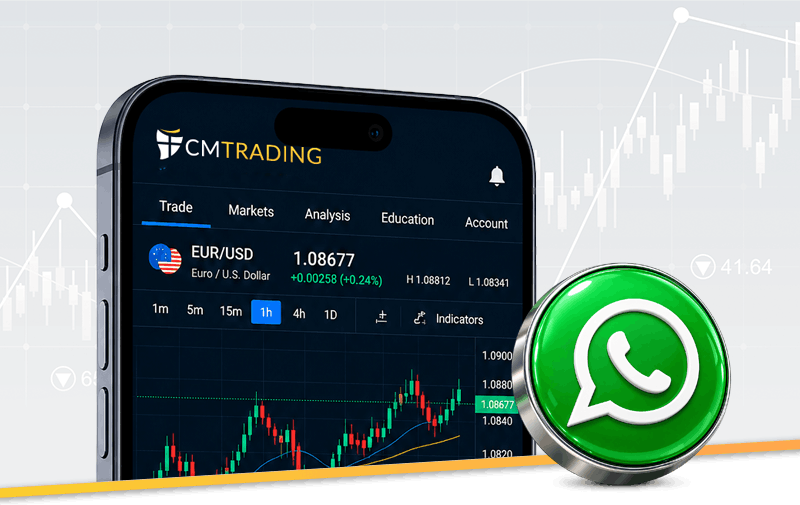
At CMTrading, you can trade gold CFDs through an easy-to-navigate web platform and mobile apps, complete with price alerts, advanced gold trading charts, risk management tools, live market analysis, and more.
While retail traders typically do not access these exchanges directly, the following institutions provide the underlying price reference for gold CFDs:
COMEX (part of CME Group)
A major exchange for gold futures, widely used as a reference point for gold derivatives pricing.
The London OTC Gold Market
The primary global venue for physical gold trading. The London Bullion Market Association (LBMA) administers the LBMA Gold Price, a benchmark often referenced in gold spot CFD pricing.
Shanghai Gold Exchange (SGE)
A leading physical gold trading hub in Asia that contributes to regional and increasingly global price discovery, particularly through the Shanghai Gold Price benchmark.
Why South African Traders Monitor Gold Closely
Gold continues to garner attention as one of the nation’s traditional mining pillars, owing to its use in both industrial applications and as a store of value. Recent market conditions have supported a stronger interest in gold trading.
Gold prices fluctuate due to several factors, including central bank action, currency movements, and global uncertainty. The interaction between the local currency (ZAR) and global gold benchmarks (XAUUSD) adds another layer of complexity for South African traders. A weakening rand can drive up the local price of gold even when the USD price remains flat, creating both opportunities and risks.
Contracts for difference provide a flexible way to engage with gold price movement. Traders can respond quickly to shifts in global sentiment, adjusting positions as market conditions change throughout the trading day.
Gold Trading Strategies for African Traders
Liquidity, volatility, and efficient risk management should be given top priority while trading gold in Africa. Since XAUUSD is one of the most traded assets globally, it is perfect for short- and medium-term plans. Because of its strong liquidity and transparent price structure, XAUUSD is a popular choice for traders on international markets. The most important thing is to choose a strategy that fits your trading schedule, available finances, and level of experience.
Trend Trading
During periods of inflation, geopolitical turmoil, or central bank actions, gold often shows clear directional tendencies. Traders identify the dominant trend on higher timeframes and look for entry points during retracements. This strategy works well when the London and New York sessions overlap during peak trading hours.
News-Based Trading
US inflation statistics, interest rate decisions, employment data, and geopolitical events all have a significant impact on gold prices. African traders who keep an eye on economic calendars can take advantage of these occurrences to profit from short-term price swings. However, this strategy necessitates careful stop-loss management because of sudden volatility.
Range Trading
Range trading provides an approachable starting point for beginners. When gold moves within a predetermined price range, traders purchase near support levels and sell near resistance levels. This approach helps novices develop their technical analysis skills without chasing rapid price changes. It works best in stable market conditions and is supported by numerous gold trading firms that offer consistent execution conditions and easy-to-use charting tools.
Conclusion
Gold trading in South Africa offers unique opportunities for those who understand the interplay between global benchmarks, local currency movements, and commodity market dynamics. By following the strategies outlined above and staying informed about market conditions, traders can navigate this space with greater confidence. Whether you choose exchange-traded futures on the JSE or flexible CFDs through a regulated broker, the key to success lies in disciplined risk management and continuous learning.