South Africa has a deep connection with commodities. For decades, gold and platinum have played a major role in the country’s mining industry. They also connect South Africa to global markets in interesting ways. In particular, commodity prices can impact the South African rand.
Gold is one of the world’s most closely watched commodities. Platinum is just as important for South Africa, especially because of its industrial uses. As a result, changes in global demand can affect local mining activity, exports, and foreign-currency earnings.
But the relationship does not stop there. The rand can also react to shifts in commodity markets. When global demand changes, investors often reassess emerging-market currencies. At the same time, the U.S. dollar, interest rates, and overall market sentiment can move the rand in the opposite direction.
So, what does this mean for traders?
Understanding this connection can help put rand movements into context. However, it is important not to treat commodities as the only driver. Instead, traders should look at gold, platinum, currency markets, and broader economic conditions together.
In this article, we’ll explore how these markets connect and what South African traders should watch when commodity prices start moving.
South Africa’s Commodity Economy
The Role of Mining in South Africa
Mining remains a key part of South Africa’s economy and exports. The country produces several major commodities, including gold, platinum-group metals, coal, and iron ore.
These export earnings can support demand for the rand. Therefore, changes in global commodity markets can sometimes influence the currency.
Why Commodities Matter for the Rand
The connection, however, is not always straightforward. Commodity prices can affect export revenues, while other market forces can move the rand at the same time. For example, global risk sentiment can influence how investors view emerging-market currencies. Meanwhile, movements in the U.S. dollar can also affect the rand. So, traders need to watch commodity prices alongside broader currency-market conditions.
Why South African Traders Are Turning to Commodities
For many South Africans, commodity trading feels familiar. After all, commodities are already part of the country’s economic story. At the same time, everyday economic pressures can make financial markets more interesting. Rising living costs and inflation often encourage people to learn more about different markets. Commodities can naturally become part of that learning process.
The basics are fairly simple. Commodities are raw materials that people and businesses use every day. Their prices can change because of supply, demand, weather, global growth, and other market forces.
For South African traders, there is another important connection. Commodity prices can affect export earnings and the wider economy. For example, gold and mining exports can influence trade flows and interact with movements in the rand.
However, commodities do not move in isolation. The U.S. dollar, global investor sentiment, and economic conditions can also affect prices and currency markets.
So, understanding commodities means understanding part of South Africa’s place in the global economy. That makes them a useful market to watch.
How South African Commodity Markets Work
Where Commodity Trading Takes Place
Commodity trading in South Africa happens through organised exchanges and broker-based platforms. A key part of the local market is the JSE Commodity Derivatives Market. It provides a structured place for participants to trade commodity-linked contracts.
The market covers several agricultural products and metal-related contracts. These can give local traders exposure to global commodity prices while settling trades in rand. This can also support greater transparency around prices and transactions.
How Commodity Prices Are Set
Price discovery is another important part of commodity trading. In simple terms, it is the process through which buying and selling activity helps establish a market price.
For agricultural commodities, prices can change quickly. Weather can affect production. Supply shortages can push prices higher. Meanwhile, transport costs and export demand can also influence the market.
Therefore, traders need to watch more than just the price chart. Supply conditions and demand trends can matter just as much.
Hedging or Speculating?
Commodity markets serve different purposes. Some participants trade to manage risk. Others trade to benefit from price movements.
Hedging focuses on protection. For example, a commercial buyer may use futures or options to reduce the impact of an unfavourable price move. This can make future costs or revenues easier to manage.
Speculation takes a different approach. Traders accept market risk because they want to profit from changing prices. They may take positions based on their expectations for supply, demand, currencies, or global markets.
Gold and the Rand: Understanding the Link
How Gold Prices Can Influence the Rand
Gold and the South African rand have a long-standing connection. So, movements in the gold market can matter to the country’s economy and currency.
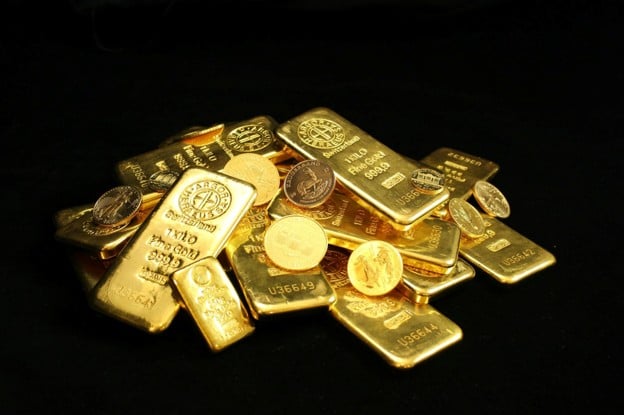
When gold prices rise, mining companies can potentially earn more from their output. Higher export values can also bring more foreign currency into the country. As a result, stronger gold prices may support the rand under certain conditions.
However, the relationship is not automatic. The rand responds to many forces at once. Global investor sentiment is one of them. Interest-rate expectations and movements in the U.S. dollar also matter.
This makes Gold vs. The Rand an interesting relationship for traders to watch. For example, gold may gain when investors seek safer assets. At the same time, investors may move away from emerging-market currencies during periods of uncertainty. Therefore, gold and the rand can sometimes move in different directions.
What Traders Should Watch
Rather than focusing on gold alone, traders can look at several factors together. Gold prices provide one useful signal. USD/ZAR shows how the rand is moving against the U.S. dollar. Global risk sentiment adds another layer.
Meanwhile, South Africa’s export activity can help explain why commodity prices matter locally. So, the gold-rand connection is best viewed as one part of a bigger market picture.
Understanding that connection can help traders put rand movements into context without assuming that gold prices will always determine the currency’s direction.
Platinum and South Africa’s Trading Connection
South Africa’s Platinum Market
The country has long been an important source of platinum-group metals. As a result, platinum prices can matter to the wider economy and to traders watching the rand.
Industrial demand, supply conditions, and broader economic activity can all affect the market. Therefore, traders need to look beyond price movements alone.
How Platinum Can Affect the Rand
The connection between platinum and the rand comes mainly through mining and exports. When platinum prices rise, mining companies can receive higher revenues from their output. Export earnings can also increase. In turn, these flows can influence the wider currency market.
However, the relationship is not always direct. The rand reacts to several forces at the same time. Global investor sentiment, the U.S. dollar, interest-rate expectations, and overall market conditions can also move the currency.
That is why platinum and South Africa’s trading connection is worth watching as part of a bigger picture.
What Traders Should Watch
When tracking the rand, traders should also watch platinum prices, mining activity, export conditions, and broader global markets. Together, these signals can provide more context around currency movements.
Ultimately, platinum does not determine where the rand will move. Instead, it offers another piece of information for traders trying to understand South Africa’s commodity-driven economy.
Key Factors Behind Commodity Price Moves
Supply Sets the Pace
Commodity prices often start with supply and demand. When production falls while demand stays strong, prices can rise. On the other hand, better supply can ease price pressure.
Weather Can Shift Markets
Temperature, pests, and crop conditions can affect both harvest size and quality. In South Africa, poor weather can quickly influence maize and wheat prices.
Transporting Goods Costs Money
Higher fuel and freight costs can raise the final delivered price, even when the underlying commodity price stays steady. Therefore, logistics can become an important part of local price formation.
Currency Changes Matter
The rand can also affect local commodity costs. Many commodities, including fuel, trade globally in U.S. dollars. So, when the rand weakens, imported commodities can become more expensive in local terms.
Politics Can Disrupt Supply
Conflicts can create supply concerns, particularly in energy markets. For instance, disruptions linked to Middle Eastern tensions can put pressure on crude oil supplies and influence energy prices.
Industry Shapes Demand
Finally, industrial activity can change demand for metals and energy. When global production grows, demand may increase. When economic activity slows, demand can weaken. At the same time, inflation and higher fuel costs can affect the wider economy.
Frequently Asked Questions
How does the rand affect commodity prices?
Many commodities trade globally in U.S. dollars. Therefore, a weaker rand can make imported commodities more expensive in local currency.
How does gold affect the South African rand?
Gold prices can influence mining revenues and export earnings. However, the rand also responds to factors such as the U.S. dollar, interest rates, and global investor sentiment.
What should South African traders watch?
Traders can monitor commodity prices, the rand, global markets, supply conditions, weather, transport costs, and industrial demand. Looking at these factors together provides a broader view of market movements.
Conclusion
South Africa’s economy has a strong connection with commodities. Gold and platinum remain important to the country’s mining and export activity, while commodity prices can also influence the rand. However, these markets move for many reasons. Supply, demand, weather, transport costs, currency movements, and global conditions all matter. By understanding these connections, South African traders can better see how commodity markets and the rand interact.