One of Africa’s top economies, Nigeria is home to an exquisite private sector and an ever-growing consumer base. As such, it offers a good number of investment and trading opportunities for traders.
Online trading appeals to the young and entrepreneurial population of Nigeria as it offers a way to gain financial independence by earning money online and beating inflation. As the value of the local currency, naira, continues to decline, Nigerian youngsters are now turning to online trading as a reliable side job.
Trading and investments might seem a little scary at first, but right now is the best time to start. Knowing how to start online trading in Nigeria is the first step you need to take in order to take control of your financial trading journey.
What Online Trading Means in Practice
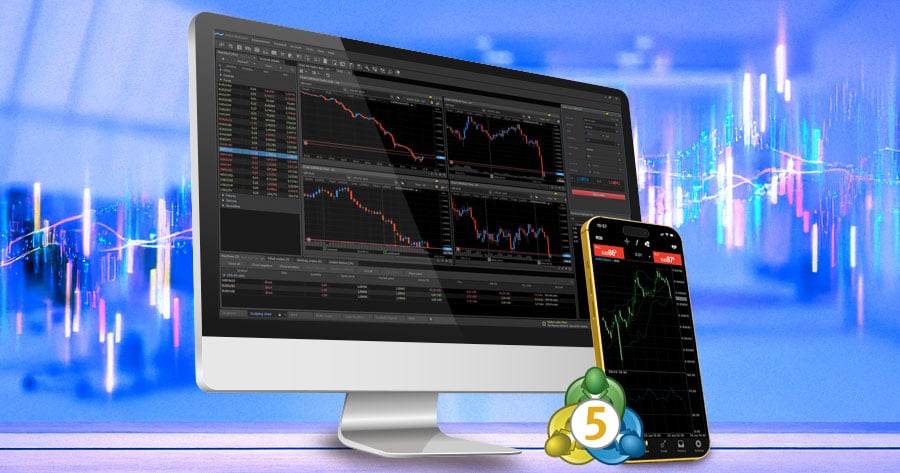
Online trading simply lets you execute trades in markets like bonds, stocks, gold, forex, and even indices on an online platform. This method allows you to execute complex trades with a few simple clicks.
Back in the day, traders had to personally reach out to their brokers on the phone to physically execute a trade, which was extremely time-consuming and required a ton of effort. With the help of online trading, you have all the control. The introduction of online brokerages has ensured a refined user experience with a lot more transparency and clarity.
How Online Trading Actually Works
It is important to be aware of exactly how online trading works, because even though online trades are generally used to make quick bucks, not knowing what you are getting into can lead to major losses.
When trading online, you usually speculate on price movement. If the price moves in your direction, you profit. If it moves against you, you lose. This matters because many beginners think trading works like saving or investing long term. It does not. Trading decisions take place in the span of milliseconds and require active risk mitigation policies in place.
Markets Commonly Traded by Nigerians
Forex trading is the most popular entry point in Nigeria. The market is open five days a week and reacts strongly to global news.
Stocks are another option, though access varies. Some traders focus on Nigerian Exchange Group equities, while others trade foreign shares through offshore brokers. Stock trading often suits longer holding periods and relies more on company performance and earnings data. Commodities such as gold and oil also attract Nigerian traders. Oil matters due to Nigeria’s role as an exporter, while gold often moves during global uncertainty.
Nigerian Legal Environment and Regulations
Online trading follows certain rules in Nigeria. The Securities and Exchange Commission oversees investment activity and issues warnings about unregistered platforms. Not every broker advertising in Nigeria is approved locally.
This does not mean foreign brokers are illegal, but traders must confirm regulation through recognized authorities. Using unregulated platforms increases the risk of withdrawal issues or account freezes.
Choosing a Broker as a Beginner
A broker is your access point to the market. Beginners should ignore flashy promotions and focus on basic safety. Payment methods also matter. Brokers that support Nigerian cards, bank transfers, or local fintech options reduce friction. A poor funding experience often causes traders to abandon platforms early and hidden costs affect long-term results.
Before you commit, make sure that your broker offers:
- Clear regulation information
- Transparent fees
- Support for Nigerian payment methods
- Demo accounts for practice
Trading Accounts and Minimum Capital
Most online brokers allow small starting deposits. This helps beginners learn without heavy exposure. Starting small reduces emotional pressure and stress. Demo accounts allow practice with virtual money. These accounts mirror real markets and help traders understand platform tools before risking their finances.
When it comes to online trading, a realistic mindset matters more than the amount you have in your account. Many traders fail because they overtrade or increase risk too early.
Basic Trading Tools for Beginners
Trading platforms include many features, but beginners only need a few:
Trading Journals
These journals are tools that let you maintain a record of the trades you execute, as well as their outcomes. This enables you to notice patterns over the passage of time, and improve upon your techniques and strategies. Trading journals help you learn from your mistakes by giving you an idea of what not to do the next time you execute a trade.
Economic Calendars
Economical calendars can prove to be absolutely crucial when it comes to trading — especially for beginners. These tools notify you about important economical events that can cause a shift in the market pricing, like interest rate announcements and GDP releases.
Stop-Loss and Take-Profit Tools
These tools allow for automated risk management which is essential for making profitable trades. Stop-loss orders close trades automatically when price moves against you. They protect accounts from large losses. Take-profit orders, on the other hand, lock in your profits by closing your position the moment your trade reaches its target price.
Other tools like price charts, basic indicators, and advanced analysis tools can also help new traders out majorly. However, keep in mind that using too many tools creates confusion. Simpler setups are easier to manage and review.
Risk Management Done Right
Risk management defines how much capital you risk per trade. When done right, it determines your continued survival in trading. Risk management is a system or personalized rules and measures undertaken to protect your capital from facing extreme losses.
That is not the only goal of risk management, however. Employing risk mitigation policies enables you to survive volatile markets by controlling the size of your positions and setting stop-loss orders in place.
Many professionals limit risk to one or two percent of their account, which is an approach that prevents single trades from causing long-term damage to your account balance. Beginners who ignore this principle often experience rapid account depletion. Despite their best efforts, even the most skilled of traders incur losses regularly. It is important to limit your losses to allow your accounts to recover.
Common Beginner Errors to Avoid
Beginners to online trading often repeat the same mistakes. The markets are complex — even small mistakes can lead to big losses. Luckily, these expensive mistakes can be easily avoided if you know about them beforehand.
Trading without Doing Your Due Diligence
Before you purchase shares, it is essential to do your research into a company’s finances, market positions, and growth chances. You might come across a tech firm that is gaining a lot of momentum initially, which would drive its stock prices up at first. This might pique your interest as a newcomer, but remember to evaluate and gain a clear picture of the financial sustainability of this brand, or you might incur losses when these inflation values are ultimately corrected by the market.
Going After Market Hype
Trading solely based on public sentiment or market hype can lead to poor decisions being made. Newly launched companies may gain massive popularity at first which would lead to a spike in their stock price. Industry trends and media coverage can quickly lead to a decline in the stock price movement as soon as the initial enthusiasm fades, though.
Not Diversifying Your Portfolio From Day One
Putting all your eggs in one basket will expose you to greater risks. Diversify your portfolio from the get-go across multiple sectors like consumer goods, financial services, and telecommunications. This strategy provides you with a balanced investment approach and protects you if one sector does not perform as well as you had expected.
Emotion-Driven Decisions
The market environment can be volatile. It is easy to make rash decisions when stocks fall. During the COVID-19 pandemic, many traders panicked and sold off their investments which led to them missing out on the eventual recovery of the markets. A long-term trading approach with discipline at its core would yield profitable results.
Where to Start
Your investments will depend on your goals. This is why it is crucial to have clear financial goals in mind before you begin. For example, if you want to retire in a few decades’ time, you may want to go for long-term investments in continually growing stocks.
Once you have outlined your goals and have a clear idea of what you want, you can follow the steps given below to start online trading:
- Choose a broker that you want to work with.
- Open a brokerage account.
- Deposit funds into this account.
- Select markets you would prefer to trade in.
- Monitor and evaluate your portfolio on the regular.
Conclusion
Online trading requires patience and structure in the beginning. The markets reward preparation more than speed, which is why you need to be fully aware of the know-how of online trading in Nigeria before you step into it.
As online trading in Nigeria continues to grow, it is essential to keep in mind that following the local rules and making data-driven decisions is what will protect your finances. All in all, online trading offers opportunity, but it demands responsibility. Traders who respect structure and rules improve their chances of staying in the market long term.