
Trading US stocks and global indices is no longer limited to investors who can afford to buy actual shares. Today, South African traders can access international markets without owning the underlying assets. But how does that work? The answer often lies in Contracts for Difference (CFDs).
Through CFDs, you can speculate on the price movements of popular US stocks like Apple, Tesla, and Microsoft. You can also explore major indices such as the S&P 500, Nasdaq 100, and Dow Jones.
However, trading these instruments comes with risks. So, before getting started, it helps to understand how CFDs work, which markets you can access, and what South African traders should consider when choosing a broker.
Understanding How CFD Trading Works
A Contract for Difference (CFD) lets you trade an asset’s price movements without owning it. Instead, you and your broker agree to settle the difference between the opening and closing prices.
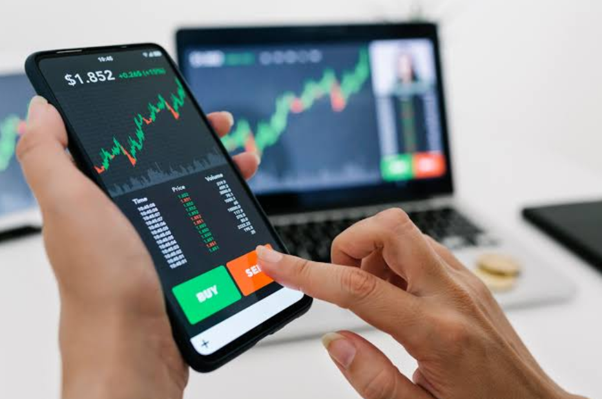
First, choose a market, such as Apple stock or the Nasdaq 100. Next, decide whether prices will rise or fall. If you expect an increase, open a buy position. Otherwise, open a sell position.
When you close the trade, your profit or loss depends on the price movement and your position size. However, remember that leverage can increase your exposure and potential losses.
Which US Stocks and Global Indices Can South Africans Trade?
South African traders can access several international markets through CFDs. However, the available options depend on their broker and trading platform. These markets include popular US companies, major American indices, and leading stock indices from other countries.
-
Popular US Stocks
Many CFD platforms offer access to some of the world’s biggest companies. For example, traders may find CFDs on:
- Apple (AAPL): A major technology company known for its iPhones and other devices.
- Pfizer (PFE): A pharmaceutical company focused on developing medicines and vaccines.
- Microsoft (MSFT): A global technology company with products in software, cloud computing, and AI.
- PayPal (PYPL): A digital payments company that provides online payment and money transfer services.
- Tesla (TSLA): An electric vehicle and clean energy company.
- Amazon (AMZN): A leading e-commerce and cloud computing business.
- Alibaba (BABA): A Chinese technology company known for e-commerce and cloud computing services.
- NVIDIA (NVDA): A major chipmaker known for its graphics processors and AI technology.
- Walmart (WMT): A global retail giant offering groceries, household goods, and everyday essentials.
- Alphabet (GOOG): Google’s parent company, with businesses across search, advertising, and technology.
- Adobe (ADBE): A software company known for creative tools and digital media products.
- Netflix (NFLX): A streaming platform offering movies, TV shows, and original content.
With stock CFDs, traders can speculate on these companies’ share prices without buying their actual shares.
-
Major US Stock Market Indices
Besides individual stocks, South Africans can trade CFDs based on major US indices. These indices track groups of companies and reflect broader market performance.
- S&P 500: Tracks 500 leading publicly traded US companies.
- Nasdaq 100: Follows 100 of the largest non-financial companies listed on the Nasdaq Stock Market.
- Dow Jones Industrial Average: Tracks 30 major US companies across different industries.
These options let traders speculate on broader market movements instead of focusing on one company.
-
Popular Global Stock Indices
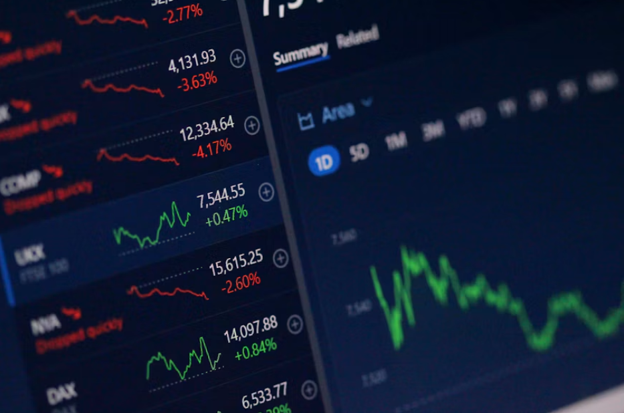
Want to explore markets beyond the US? Many CFD brokers also offer access to international indices. Popular examples include:
- FTSE 100 (UK): Tracks 100 major companies listed on the London Stock Exchange.
- DAX 40 (Germany): Follows 40 major German companies.
- CAC 40 (France): Tracks 40 leading companies listed in Paris.
- Nikkei 225 (Japan): Measures the performance of 225 major Japanese companies.
- Hang Seng Index (Hong Kong): Tracks major companies listed in Hong Kong.
However, remember that not every broker offers all these instruments. So, check the available markets, trading conditions, and contract specifications before opening a position.
How Can South Africans Start Trading CFDs?
Getting started with CFD trading is simple. Just follow these steps:
-
Choose a Regulated Broker
Compare brokers that accept South African clients. Check their regulation, fees, and available markets.
-
Open a Trading Account
Register with your chosen broker and complete the identity verification process.
-
Practise With a Demo Account
Use virtual funds to explore the platform and understand how CFD trading works.
-
Deposit Funds
Choose a supported payment method and fund your account.
-
Select a Market
Pick a US stock or global index that interests you.
-
Manage Your Risk
Set clear trading goals, use stop-loss orders, and avoid excessive leverage.
-
Monitor Your Trades
Keep track of market movements and review your open positions regularly.
Why Trade US Stocks and Global Indices Through CFDs?
CFDs offer South African traders a flexible way to access international markets. They also come with several advantages:
-
Access to Global Markets
Trade popular US stocks and major indices without buying the underlying assets.
-
Profit From Rising and Falling Markets
Open buy positions when prices rise or sell positions when prices fall.
-
Trade With Leverage
Control a larger position with a smaller initial deposit. However, leverage also increases potential losses.
-
No Share Ownership Required
You can speculate on price movements without purchasing or holding actual shares.
-
Explore Different Markets
Access individual companies, major indices, and different global sectors through one trading platform.
What Are the Risks of Trading CFDs?
CFD trading offers flexibility, but it also carries risks. Before placing a trade, understand these key factors:
-
Leverage Risk
Leverage increases your market exposure. However, it can also magnify losses.
-
Market Volatility
Stock prices and indices can move quickly. Sudden market changes may lead to unexpected losses.
-
Trading Costs
Spreads, commissions, and overnight fees can reduce your profits.
-
Currency Risk
Changes in the rand-to-dollar exchange rate can affect your trading results.
-
Broker Risk
An unreliable or unregulated broker may expose you to additional risks. Therefore, always check the provider’s regulatory status before opening an account.
FAQs
Can South Africans trade US stocks without buying shares?
Yes. South Africans can use CFDs to speculate on US stock prices without owning the actual shares.
Can I profit when US stock prices fall?
Yes. You can open a sell (short) position if you expect a stock’s price to decline. However, losses are also possible.
Can I trade global indices through a South African broker?
Yes. Depending on the broker, you may access indices such as the FTSE 100, DAX 40, Nasdaq 100, and Nikkei 225.
Conclusion
South Africans can access US stocks and global indices without owning the underlying shares through CFDs. These instruments offer flexibility and access to international markets. However, they also carry risks, especially when using leverage. So, choose a properly regulated broker, understand the trading costs, and develop a solid risk-management strategy before getting started.